
Therapies and programs
Feeding and dysphagia
Eating and drinking involve more than choosing foods. Sensory experiences, oral skills and swallowing can all contribute to mealtime difficulties. Our service approach includes oral motor work, sensory-based food exploration and caregiver collaboration.
Understanding your child’s mealtime needs
Questions you can bring
- My child avoids particular foods or textures.
- Bottle, cup, utensil or solid-food transitions are difficult.
- I have questions about chewing or swallowing.
- Mealtimes have become difficult for our family.
Start with the full picture
Tell the clinic about your child’s usual foods, relevant medical history and what happens during meals. Mention coughing, choking, pain or growth concerns when arranging care so the appropriate evaluation can be discussed. Food selectivity and swallowing difficulty are different concerns; care should be based on the individual assessment.
Explore mealtimes together
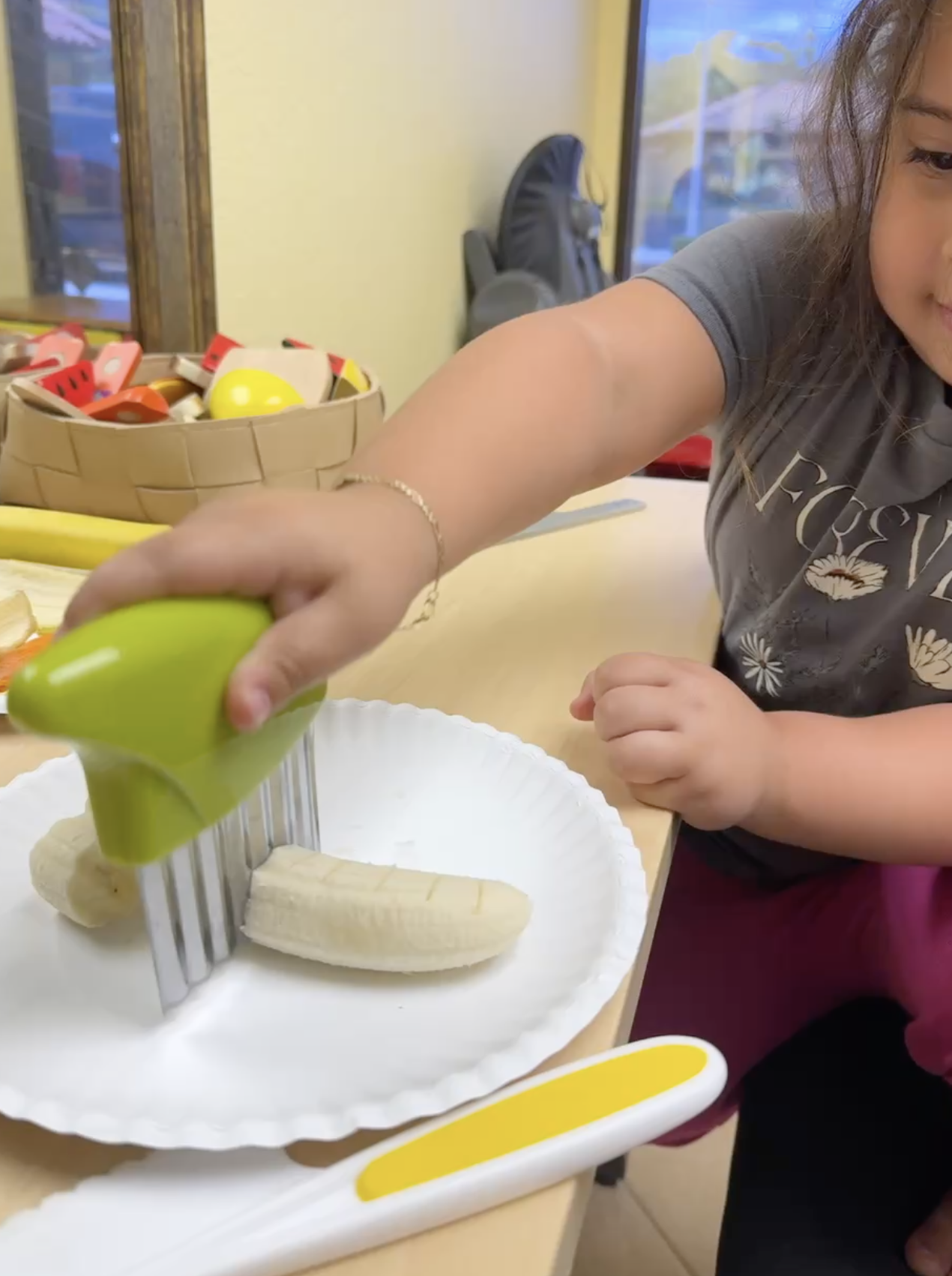
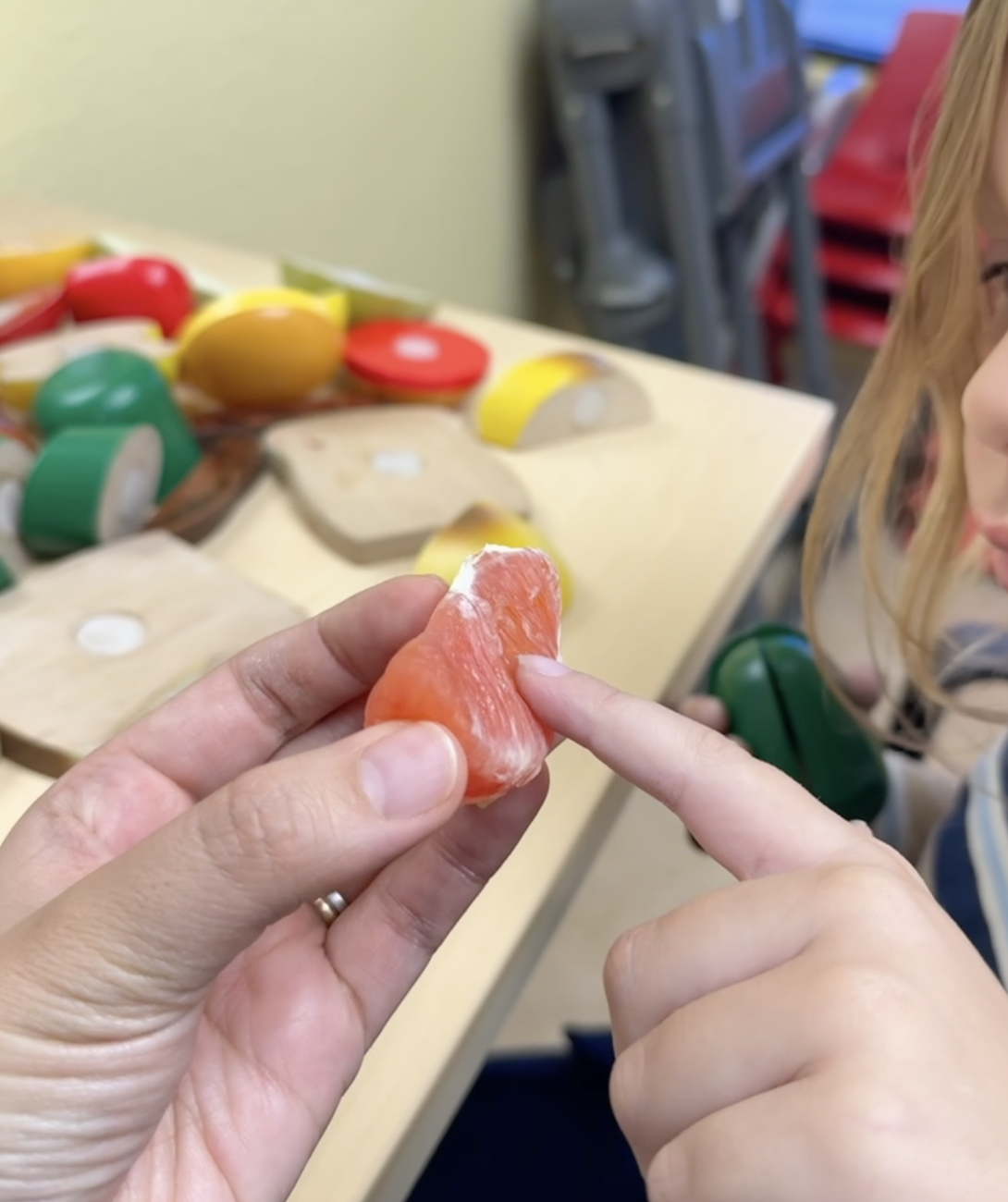
In our daily living and feeding room, activities are guided by your child’s assessment and mealtime goals. For a child who avoids certain foods, therapy may include opportunities to explore and engage with those foods. The therapist considers sensory needs and comfort as the session unfolds and discusses progress with you afterward.
Inside Sensory Bridge
A look at clinic activities
Explore moments from our clinic spaces and activities. The therapist selects and adapts activities for each child’s goals, interests and needs.
Exploring food 2 pictures
Explore our specialties
SOS Approach to Feeding
Learn about this specialty and how it can connect with your child's therapy goals.
Learn about this approachCommon questions
Is feeding therapy only for picky eating?
Families may ask about food variety, eating skills or swallowing. The next step depends on the concern and the child’s needs.
Where can I learn about the team’s feeding training?
Meet our clinicians on the About page to learn about their feeding training, including SOS Feeding, VitalStim and AEIOU Feeding. We can help you discuss which clinician and approach fit your child’s needs.
Your next step
Share your question with the clinic to discuss an appropriate starting point.
Discuss a feeding concernOr call (909) 258-9292.